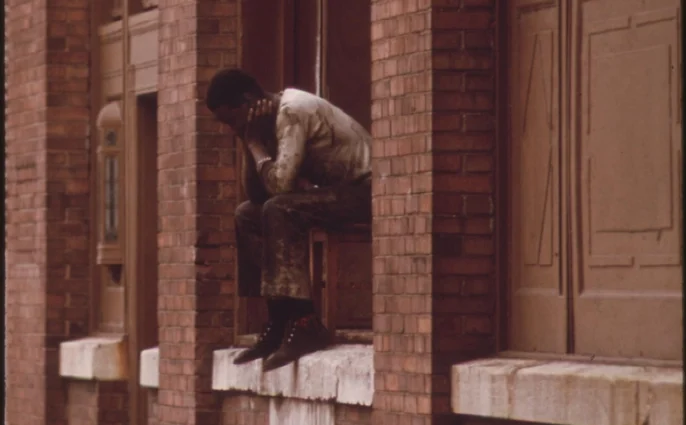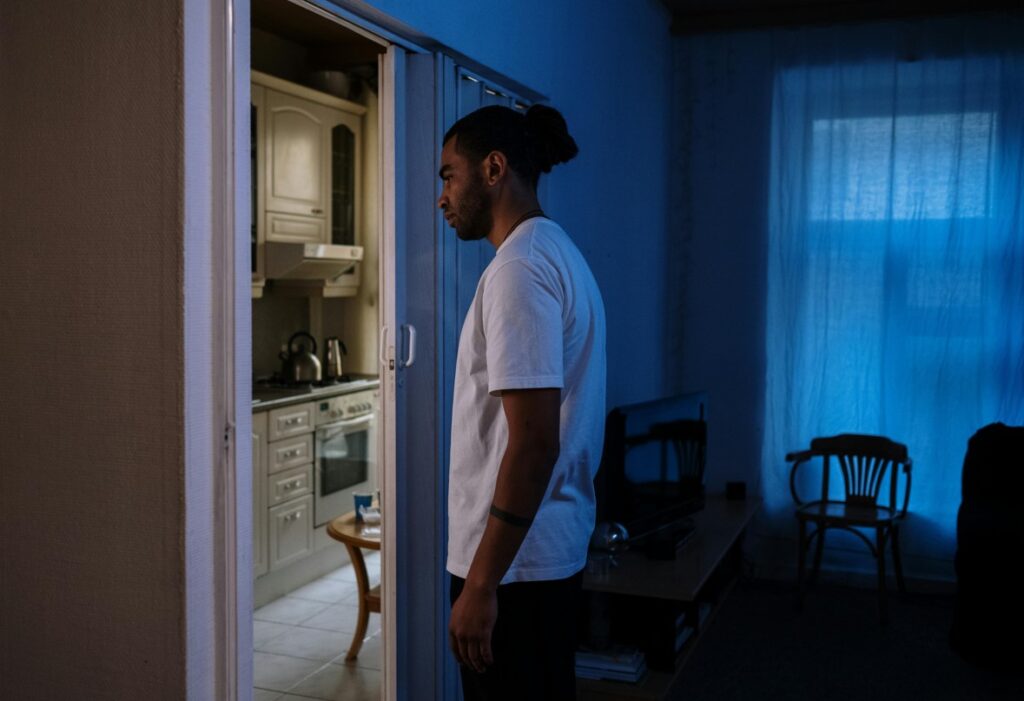
When your role as ‘husband’ no longer defines who you are, who do you become? The journey of rediscovering your individual identity, about uncovering who you’ve always been underneath the roles, expectations, and relationships that may have hidden your true self.
The ground has shifted. The person you were (the partner, the teammate, the husband) feels like a character from a story that no longer makes sense. The path forward now is all about building a new one, from the ground up, on your own terms. This is the real work of surviving betrayal.
1. Surviving Betrayal Means Seeing Who You Were Versus Who You Are
Let’s be honest. The man you were before this happened is gone. That’s not a bad thing. He was built around a partnership that no longer exists in the same way.
I remember looking in the mirror and not recognizing the person staring back. The easy-going guy who took his marriage for granted? The man who measured his worth by being a “good husband”? That version of me couldn’t survive what happened, and he shouldn’t have to.
Surviving betrayal starts with this honest look in the mirror. Not to blame yourself, but to acknowledge the truth: you’ve been changed. The question isn’t how to get back to who you were. The question is, who will you become now?
2. Separating Your Worth From What Happened
Here’s the truth that took me too long to learn: Her choice to cheat says everything about her, and nothing about your worth as a man.
Your value wasn’t stored in that relationship. It got hidden there. Your character, your strength, your integrity, these things belong to you. They’re internal. They can’t be betrayed because they don’t belong to anyone else.
Surviving betrayal requires this fundamental separation. You need to rebuild your self-worth on something solid, something that can’t be taken from you. Your ability to show up with integrity even when treated without it. Your capacity to keep going when every part of you wants to quit. That’s where your real worth lives.
3. Finding Purpose Beyond the Marriage
When your marriage was central to your life, its collapse can feel like your whole world has ended. I spent months just going through the motions: work, eat, sleep, repeat. I was existing, not living.
Then I realized purpose isn’t found, it’s built. It’s not something that happens to you, it’s something you choose.
Maybe it’s mastering a skill. being a better father. Maybe it’s throwing yourself into your work or starting that business you always talked about. Surviving betrayal means finding something outside of your relationship status that makes you feel alive again.
For me, it was returning to my passion for tech and learning how to code. The keyboard does not care about my personal life. It only demands my full attention. In that struggle, I found a purpose: to become physically and mentally stronger than I was yesterday.
4. Building a Life That’s Authentically Yours
This is your chance to build a life that actually reflects who you are, not who you were supposed to be for someone else.
What music do you actually like? How do you want to spend your Saturday mornings? What kind of people do you want around you? These might seem like small questions, but answering them honestly is revolutionary.
Surviving betrayal gives you this strange gift: permission to be completely, unapologetically yourself. The rules you lived by are gone. You get to write new ones. I started small—rearranging the garage how I wanted it, cooking the foods I actually enjoyed, watching the movies I liked without compromise.
These small acts of self-definition become the building blocks of your new life.
5. The Freedom in No Longer Being the ‘Good Husband’
This might sound counterintuitive, but there’s incredible freedom in no longer having to play a role. The pressure to be the “perfect husband” is gone. The constant worrying about someone else’s happiness? Finished.
You’re free to focus on what actually matters to you. Your energy, your attention, your care, these precious resources now belong to you to direct as you see fit.
Surviving betrayal means recognizing this unexpected liberation. It’s not that you stop being a good man, you redefine what that means on your own terms. Being a good man now means being true to yourself, setting boundaries, and honoring your own values.
6. Reconnecting With What You Left Behind
Think back. Before the relationship, what did you love? What made you feel alive? What dreams did you set aside to make room for the marriage?
For me, it was playing guitar and hiking. I’d let both slip away over the years. Picking up that guitar again felt like reconnecting with an old friend, one who knew me before all this happened.
Surviving betrayal often means going back to go forward. Those abandoned interests and dreams are clues to who you really are. They’re pieces of yourself waiting to be reclaimed. They’ve been there all along, patiently waiting for you to remember them.
7. Creating Identity Anchors That Can’t Be Betrayed
The old you was anchored to a relationship. That anchor failed. The new you needs anchors that are internal and unshakable.
These are the things that define you regardless of what happens in your marriage:
- Your physical strength and health
- Your skills and competence
- Your financial independence
- Your relationship with your children
- Your personal values and integrity
- Your connection to your purpose
These anchors hold fast no matter what storms come. Surviving betrayal means investing your energy here, in what can’t be taken from you, in what grows stronger with your attention.
My anchors became my morning workout, my workbench where I build things, and the books that challenge my thinking. When everything else feels uncertain, these practices ground me.
The Bottom Line
Surviving betrayal does not mean getting over what happened. You are growing through it into a man who knows who he is, separate from any relationship. It’s about building an identity so solid that no one else’s actions can shake its foundation.
The man emerging from this fire is wiser, stronger, and more authentic than the one who entered it. He knows his worth comes from within. He’s building a life on his own terms. And he’s discovering that the greatest revenge isn’t moving on, it’s moving upward.
What’s one part of your old self you’ve rediscovered since everything changed? Share in the comments (no details needed).
Need daily guidance in rebuilding your life? Check out the Silent Resilience app for structured support.
Join our private community of men who are building lives they’re proud of, on their own terms.