The next morning did not arrive like a revelation.
It arrived like a kettle boiling.
I was still in the same house. The same light came through the curtains. The same sounds moved through the rooms. Nothing in the building announced that my life had changed shape, and that was the hardest part. The world did not stop for what had happened. It just kept going, ordinary and exact.
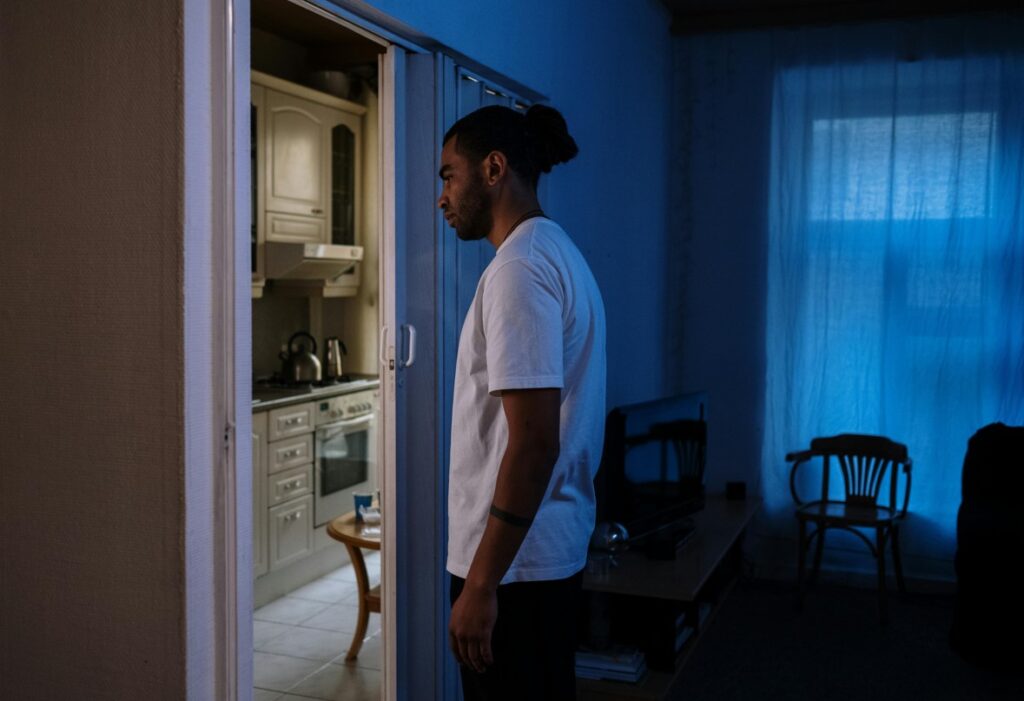
I remember standing in the kitchen and feeling how much the room knew without saying anything. The mug in my hand. The dull noise of the fridge. The light on the counter. I had not slept properly, or at all, and still the day wanted the same things from me it always had.
The next morning was the first time I understood that betrayal does not only happen in the moment. It keeps happening in the ordinary hours after it.*
Morning does not wait
I used to think the worst part would be the finding out.
It was not.
The worst part was waking up into the day after, when there was no longer a moment of discovery to hide behind. The facts were already there. The room was already there. My own body was already there, carrying the thing I now knew. Morning did not slow down for any of it.
I made coffee because that was what I did and stood at the counter because that was where I always stood. I looked out the window because I did not know what else to do with my face. Everything felt slightly too bright, as if the day had been turned up a little too far.
That is what the next morning felt like for me: not panic, not collapse, just a brutal normality.
The sunlight on the floor.
The spoon on the sink.
The sound of a shower running in the hall.
The way my own hands moved through the routine before my mind had fully caught up.
I did not feel dramatic. I felt split open and still expected to function.
The body remembers first
My body knew before my thoughts settled.
That is the part I did not appreciate at the time. My chest stayed tight, and my jaw was sore. My stomach felt empty even when I had eaten. I could feel the night still sitting in me while the morning insisted on being morning.
Moving was my only option because stopping felt worse.
I got dressed, checked my phone and answered a message I did not want to answer. I washed a cup that did not need washing. It was all so ordinary it almost looked like peace from the outside, but it was not peace. It was function. There is a difference.
When I think back on it now, I do not think about grand decisions. I think about the small motions that kept the day from falling apart. The sock on the floor. The tap running. The chair I sat in and did not really sit in. That was my life narrowing itself to what could be managed in one morning.
If I needed somewhere to put the thoughts that would not settle, I wrote them down. That was the first place they stopped bouncing around inside me. If you are there now, the letters are here.
The house stays awake
One of the strangest things about betrayal is how awake the house remains.
There is no dramatic silence. No cinematic aftermath. Just the same house with different weight in it. I could hear everything I used to ignore. The pipes. The floorboards. The small noises that make a house feel lived in. They all came through sharper that morning.
I remember the light in the hallway more than the hallway itself.
It was too clean. Too plain. I walked through it and felt like I was moving through somebody else’s life, even though nothing physical had changed at all. That is what living with someone who cheated can do in the quiet hours after the truth settles in. It makes the familiar feel borrowed.
I did not have language for that yet.
I only knew I was moving differently.
Slower.
More carefully.
With less trust in the shape of the day.
I was still living in the same rooms, but I had stopped meeting them the same way.*
The first hours are small
People imagine the aftermath as one big emotional event.
That was not my experience.
It was small things. A glass of water left half-finished. A sentence I almost said and did not. A glance at the clock. A phone I set down and then picked up again. I kept expecting the day to become more dramatic than it was. Instead it became more ordinary, which somehow made it harder.
I remember sitting at the table and not really seeing it, the smell of coffee going cold. I remember the way my attention kept slipping away from whatever was in front of me and landing somewhere else, somewhere quieter and heavier.
That was the first morning I understood that the truth does not need to be loud to change everything.
It just needs to be real.
What I could not say yet
That morning, I was still inside the part where saying anything out loud felt impossible.
I had the facts and all the weight.
I had the room.
What I did not have was any clean way to speak it.
So I stayed quiet longer than felt natural. I answered what needed answering, which kept the day from tipping over. Moved through the house like someone trying not to wake a sleeping child, except the thing I was trying not to wake was myself.
I think that is why the silence mattered so much. It gave the morning a second life. What I could not say stayed in the body and changed the body. The longer I held it, the more physical it became.
A knot in the stomach.
A pressure behind the eyes.
A hand on the back of the neck.
That was the language the morning gave me.
What came after breakfast
I did eventually leave the kitchen and went outside for a while. There are days I sat in the car.
I let the morning finish being morning without me inside the middle of it.
That did not solve anything. It just gave the weight a different room to sit in for a bit. Sometimes that is enough for one morning. Sometimes that is all a man has.
By then I already knew I was not going back to the person I had been the night before. That part was gone. Not gone in some clean, dramatic way. Gone in the sense that the shape had changed and there was no pretending otherwise.
That is the thing about the next morning. It shows you the truth in daylight. No cover. No delay. Just a house, a body, and the ordinary facts of the day asking to be carried anyway.
If you have not read the piece before this one, start with The House After the Truth. This one follows from it.