I’m writing this directly to you.
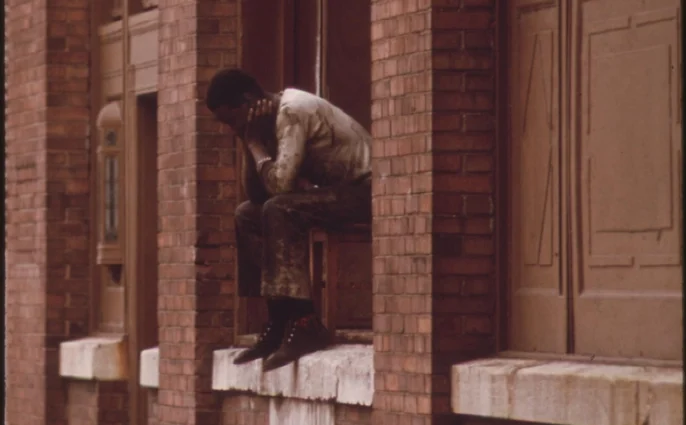
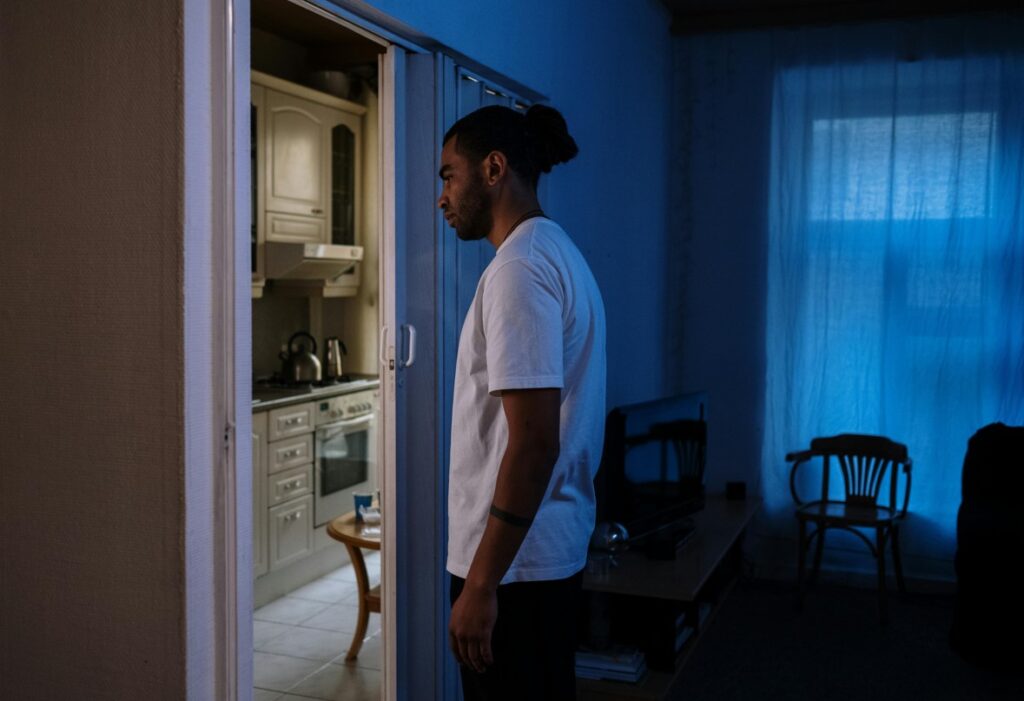
Not to the man who found out six months ago and is somewhere in the middle of figuring out what life looks like now. Not to the man who has processed most of it and is rebuilding. To you…the man who found out recently. Days ago. Maybe last night. Maybe an hour ago and you’re sitting somewhere trying to make sense of what your body is doing right now.
I know where you are. I’ve been exactly there.
I’m not going to give you a list of steps. I’m not going to tell you to see a therapist or journal your feelings or practice self-care. Not because those things don’t matter, some of them do, but because when you’re in that first raw window of shock, lists feel insulting. What you need is someone who has stood in the same place to tell you the truth about what this actually is.
So that’s what this is.
What You’re Feeling Is Not What You Think It Is
The first thing most men tell me, when they eventually talk about it at all, is that they were surprised by their own reaction. They expected rage. They expected to feel powerful in their anger, certain in their response, clear about what to do next.
Instead, they felt something quieter and much harder to name.
A kind of stillness. A removal of all the air from the room. A strange, floating numbness that makes it hard to know whether you’re feeling too much or nothing at all.
That is not weakness. That is your nervous system doing exactly what it’s designed to do when it encounters something it cannot immediately process. It buys you time. It holds the worst of the pain at a slight distance while the rest of you catches up.
The rage, if it comes, usually comes later. So does the grief. So does the bargaining, the part where you start wondering if you caused this, if you missed signs, if you could have prevented it. All of that is coming. But it doesn’t all arrive at once, and the order it arrives in doesn’t mean anything about how you’re handling this.
There is no correct way to react to betrayal. There is only your way. And right now, your way is enough.
What Not to Do in the First 48 Hours
I’m not going to tell you what you should do. But I can tell you from experience, and from everything I’ve learned since, what tends to make the next weeks and months harder if you do it in those first two days.
Don’t make permanent decisions in temporary pain. The impulse to blow everything up immediately, to confront, to expose, to end it all right now is real, and it is strong, and it comes from a place of genuine injury. But decisions made in the first 48 hours of this kind of shock almost always need to be unmade later, and the unmaking costs more than the waiting would have.
Don’t tell everyone. The urge to reach for your phone and tell your closest friend or your brother or someone in your family is completely natural. Resist it, at least for now. Once people know, they have opinions. Those opinions become part of your situation. You lose the ability to handle this on your own terms. Protect your options while you still have all of them.
Don’t try to get the full truth immediately. You want to know everything. How long, how many times, who he is, what she told him, whether it was emotional or just physical. I understand that need completely, I went through her phone for hours trying to piece it all together. But the full truth, when you get it, will not make the pain smaller. It will just make it more specific. You have time to learn what you need to learn.
The most powerful thing you can do in those first hours is simply not do the things that cannot be undone.
The Question You’re Already Asking
You’re asking whether you caused this.
Maybe not out loud. Maybe not in those exact words. But it’s there, the inventory you’re already running of everything you did wrong, everything you could have done differently, every way you fell short as a partner. I know because I ran the same inventory. Every man in this situation does.
Here is what I want to say about that:
You are allowed to honestly examine your role in the health of the relationship. That is not the same as taking responsibility for her choice. A relationship can have real problems, communication, distance, unmet needs, years of small disconnections accumulating into something large, and still not produce infidelity as an inevitable outcome. She made a choice. That choice belongs to her.
Whatever you did or didn’t do in the marriage, you didn’t make that choice for her. The examination matters. The self-blame is a trap.
About Staying and Leaving
People will have opinions about what you should do. Some will tell you to leave immediately, that staying is weakness, that self-respect demands a clean exit. Some will tell you to fight for the marriage, to think about the children, to consider what seventeen years means before you walk away from it.
Both of those positions are about someone else’s comfort with your situation. Neither of them is about you.
The truth is that there is no universally correct answer here. Leaving is not always strength. Staying is not always weakness. What matters is that whatever you choose, you choose it consciously, not from panic, not from fear, not because someone else’s voice in your head told you what a real man would do.
If you stay, stay with your eyes open and your boundaries intact. If you leave, leave when you’re clear enough to do it with dignity. Either way, the decision is yours. Take the time to make it properly.
You don’t have to know yet. You just have to refuse to be pushed into a decision before you’re ready to make one.
What This Is Going to Require of You
I won’t pretend this is going to be easy or short. What’s ahead of you is one of the hardest things a person goes through, not just the pain of betrayal, but the reconstruction of your sense of yourself, your relationship, your future. That work is real and it takes time.
But I want to tell you something I wish someone had told me in those first days:
The man who comes out of this, if you let the process happen rather than trying to shortcut it or shut it down, is not a diminished version of you. He is not the man this happened to. He is someone harder to shake, clearer about what he will and won’t accept, more grounded in himself than the version of you that existed before this.
That is not a silver lining. It is not toxic positivity. It is just what tends to happen when a man is willing to go through the full weight of something instead of around it.
You are going to be okay. Not today. Not in a week. But eventually, and more fully than you can probably imagine right now, you are going to be okay.
The version of you that exists on the other side of this is already there, waiting. You just have to walk toward him.
If you want to read how this started for me, the night I found out, what I did, what those first hours actually looked like, that story is here.