There is a version of this story I have told in pieces.
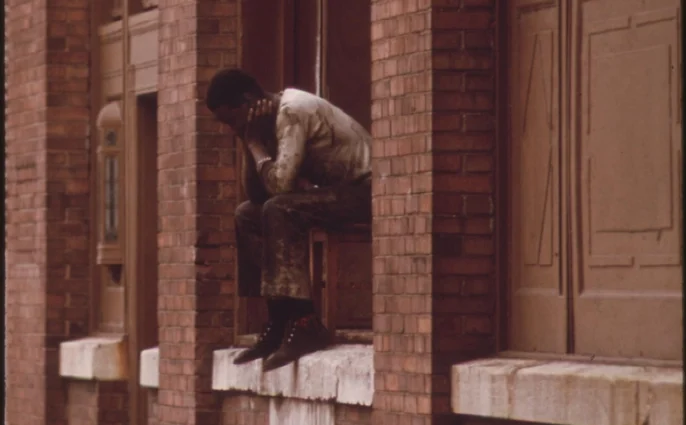
To myself, mostly. In the hours between when I found out and when I had to act like I didn’t know. In the car. In the bar that night I walked out without being able to explain why. In all the quiet spaces where men carry the things they can’t say out loud.
But there is one part I have never fully talked about. The part that didn’t come first, that came later, when I thought I was starting to get a grip on what had happened. The part that undid me in a way the initial discovery almost didn’t.
I found a booklet.
Love poems. A whole collection of them, written by her, for him. Not messages. Not photos. Poems. The kind of writing you do when someone has moved so far into your interior world that ordinary language stops being enough.
Seventeen years. A house. Children. A planned future. And she had written him poetry.
That was the moment my heart sank in a way it hadn’t before. Not because it confirmed the affair, I already knew about the affair. But because it told me something the messages and photos hadn’t: she wasn’t just sleeping with someone else. She had fallen for him. Deeply, privately, in the part of herself she had stopped sharing with me.
What Betrayal Actually Costs
When people talk about how to cope with infidelity, they tend to focus on the act. The cheating. The lies. The logistics of what happened and when. And those things matter; they’re real, they cause real damage.
But what I’ve learned, and what no one really prepares you for, is that the deepest wound isn’t usually the act itself. It’s the evidence of an interior life you had no access to. A whole emotional world your partner built somewhere you couldn’t see.
The poems told me she had been capable of that depth all along. She just hadn’t been bringing it to me.
I don’t know when that stopped. I don’t know if it stopped gradually or all at once, or if it was always partly somewhere else. I know that I spent seventeen years believing I knew who I was married to. And those poems told me that what I knew was incomplete. That there was a version of her I had never met.
You can cope with someone choosing another person. It’s harder to cope with the discovery that they had a whole self you never knew.
The Marriage We Actually Had
I am not a man who idealized his marriage. I knew we weren’t perfect. I knew there were distances between us, places where we had stopped reaching for each other, conversations we had stopped having. I was unwell, and there had been a period where my body wasn’t cooperating in ways that affected us. I knew she had needs I wasn’t always meeting.
None of that made what she did acceptable. But it forced me to look honestly at what we had actually built together, not the story I’d been telling myself about it.
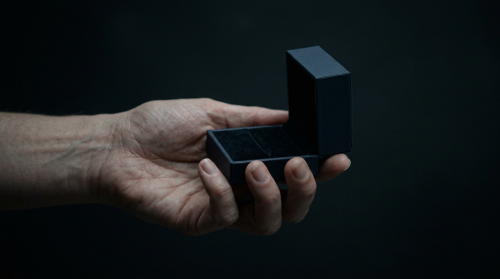
The wedding ring was a small symbol of something larger. Mine was engraved. Hers wasn’t. But when I look back now, it feels like it meant something I didn’t see at the time. Mine carried a declaration. Hers had always been smooth. Unmarked. Easy to remove.
I’m not saying that to be cruel to her. I’m saying it because one of the most disorienting parts of coping with infidelity in a long marriage is the way it forces you to reread several years of small moments and wonder what was real.
Most of it was real. I believe that. But the rereading is exhausting and it happens whether you want it to or not.
The Questions That Have No Answers
Here is what I could not stop asking, in those first weeks:
Was I not enough?
Did she ever really love me, or just the life we built?
Did she hesitate before choosing him?
How long had she been living in two places at once?
I know now that none of those questions have answers that help. Even if she had answered every one of them honestly and completely, it wouldn’t have changed the fact of what happened. It wouldn’t have given me back the seventeen years or the version of the marriage I thought I had.
Coping with infidelity, really coping, not just surviving, eventually meant letting those questions go unanswered. Not because I stopped wanting answers, but because I started understanding that what I actually needed wasn’t information. It was stability. A foundation that didn’t depend on her.
The questions I kept asking were keeping me tethered to her. When I stopped needing her to answer them, I started becoming free.
What I Did With the Booklet
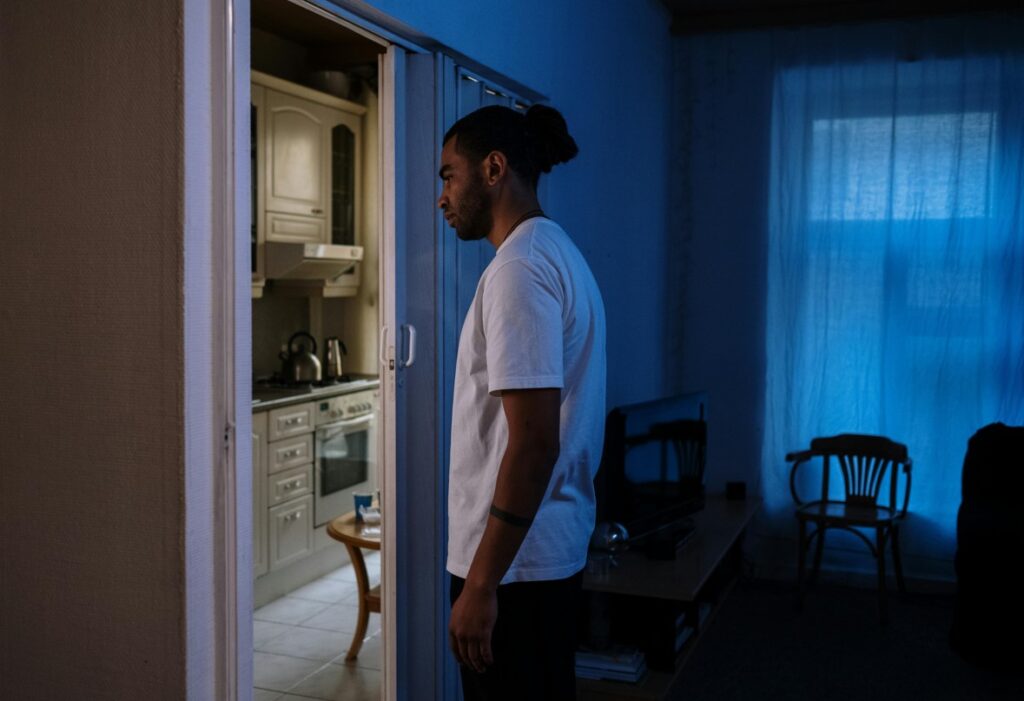
I didn’t confront her about it immediately. I sat with it for a while, that knowledge, that image of her sitting somewhere writing poems for another man while I was in the same house, the same life.
There was a moment when I thought about leaving it open somewhere she’d see. Making her know that I knew about this too. Using it.
I didn’t. Not because I was above it, but because I realized that using it would mean I was still playing a game whose rules she had written. I didn’t want to play that game anymore. I wanted out of the game entirely…not to win it.
I put it away. And I made a quiet decision that I was going to stop trying to fix something that was clearly, deeply broken. Not loudly. Not dramatically. I just stopped investing in a future that only one of us was building.
That decision didn’t feel like strength at the time. It felt like defeat. Like giving up.
I understand now that it was the first genuinely strong thing I did.
What Coping Actually Looks Like
If you’re reading this because you’re trying to figure out how to cope with infidelity, especially in a long marriage, especially when the evidence goes deeper than a single act, here is what I can honestly offer:
The pain doesn’t have a clean arc. Some days you’ll feel like you’ve processed something and moved through it. The next day it will be back, smaller maybe, but present. That’s not failure. That’s what this actually feels like.
The goal in the early weeks is not to feel better. The goal is to not make decisions that come entirely from pain. Give yourself the space to feel what you feel without letting those feelings make all your choices.
And find somewhere to put it. Not just anywhere, somewhere private, somewhere honest, somewhere without an audience. The kind of processing that actually moves you forward is almost always the kind you do without performing it for anyone.
That’s been the most important thing I’ve learned. Not a strategy. Not a framework. Just the willingness to sit with the truth of what happened and let it mean something without letting it mean everything.
You are not just the man this happened to. But you have to feel it fully before you can be anyone else.
Next week: the silence that settles in after the discovery. What it’s like to keep living in the same house. And the strange, uncomfortable power that silence eventually becomes.